
What is the Macula?
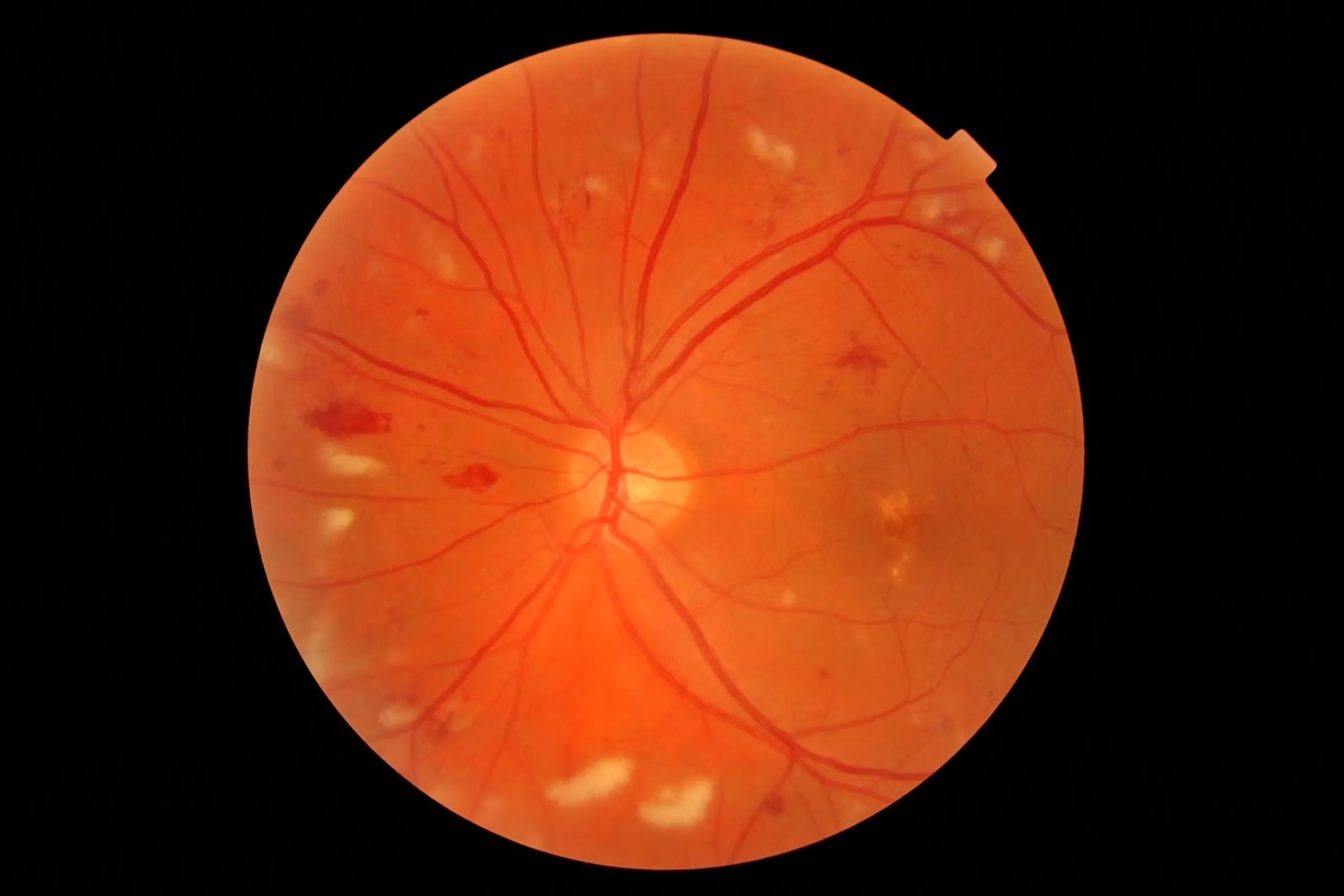
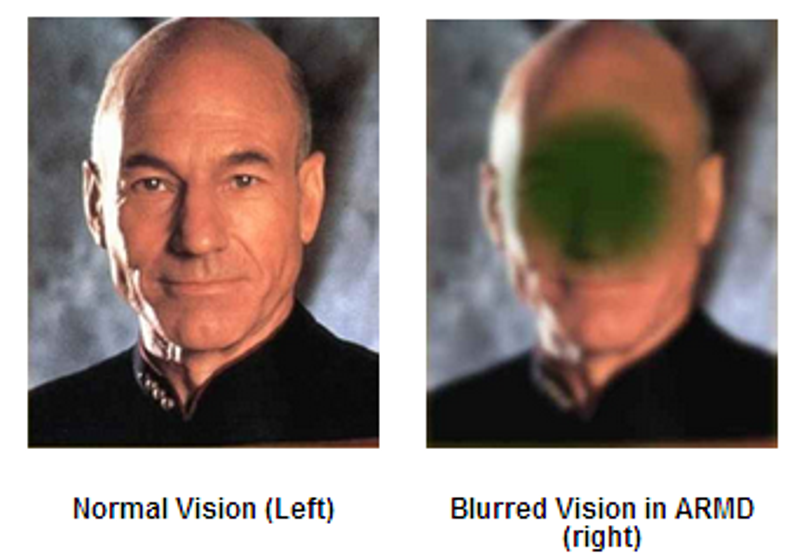
The macula is the central part of the retina which is responsible for enabling fine detail to be discerned. The remainder of the retina enables 'peripheral vision' only. Without the use of the macula, tasks like reading small print and recognising faces become difficult or impossible.
The disease becomes increasingly more common amongst people in their 60s and 70s. By the age 75, almost 15% of people have this condition to some extent.
What are the types of ARMD?
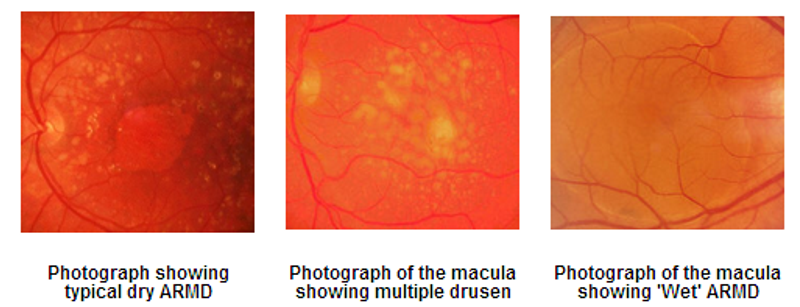
There are two main types of ARMD often termed 'Dry ARMD' and 'Wet ARMD'. The pathological process is different between the two. In the wet form, there is a proliferation of abnormal blood vessels under the macula. In dry ARMD, there is the collection of small yellow deposits within the retina called drusen.
What does ARMD do to the vision?
ARMD affects only the central area of the vision. The condition thus never causes complete blindness or loss of sight.
Is there any treatment for ARMD?
Currently, there is no cure for ARMD. The risk of developing ARMD can be reduced by not smoking. Studies have given us some evidence that a diet rich in antioxidants and certain pigments may reduce the risk of progression of the disease process.
LUCENTIS Injections
There is now a NICE approved treatment for wet ARMD called LUCENTIS. Lucentis is able to reduce the proliferation of the abnormal blood vessels that grow under the retina in wet ARMD. The drug is administered by injection into the eye.